Semantic
3D modeling for
high-performance twins

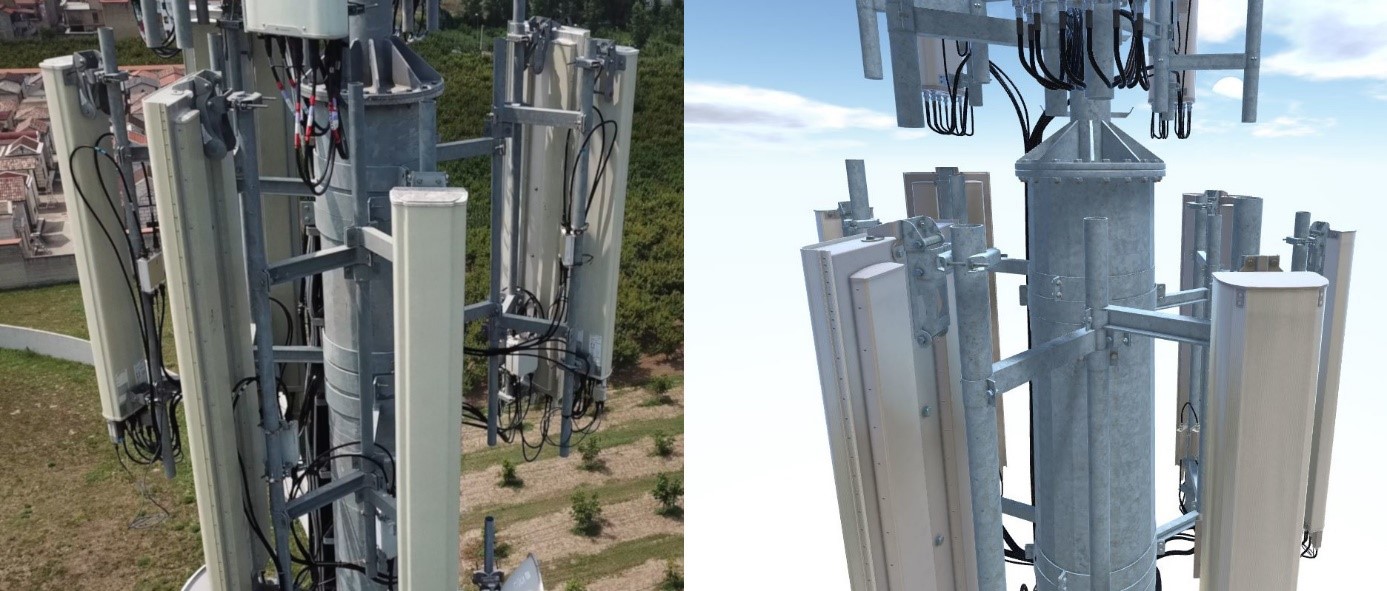
From raw data to intelligent objects. We transform reality capture data into high-performance assets. Lightweight for mobile deployment, precise for simulation, and semantically structured for IoT integration.


CONFIGURE YOUR PROJECT   VIEW DEMO

Why 3D Modeling?

AI-Driven Scale: Beyond Manual Modeling

Where manual modeling hits a wall, our algorithms take over. We generate complex industrial plants, vast pipeline networks, or entire campus districts in record time. The result: Ultra-lightweight file sizes with maximum visual fidelity.

What makes our 3D models special?

Object-based modeling

No 'polygon spaghetti', but intelligent entities. Every switch, light fixture, and valve is a discrete, selectable asset enriched with metadata.

Low-Poly & Runtime Optimization

Performance First. We optimize geometry (low-poly) and textures (baking) to ensure massive datasets run smoothly at 60 FPS on web browsers and mobile tablets.

Digital Asset Libraries

Standardize your world. We build proprietary 3D catalogs of your components (signals, furniture, machinery) for consistent global reuse.

Semantic enrichment

Making models machine-readable. We automatically classify objects (e.g., 'Fire Door') and link them to SAP, IBM Maximo, or sensor data streams.

Photogrammetric Texturing

Realism where it counts. By applying photo-realistic textures to simplified geometry, we create immersive environments ideal for training and onboarding.

Large-scale projects & linear infrastructure

Whether it's energy grids, rail networks, or chemical parks: Our procedural generation tools are built to map vast spatial environments – consistent and geo-referenced.

How we model – our process

Step1 – Data Collection & Analysis

We review drawings, point clouds, photos, drone footage, and CAD/BIM data to establish a solid foundation.

Step 2 – Structural Definition

Together we define model depth (LOD), semantic structure, and intended use cases.

Step 3 – 3D Modeling & Quality Assurance

Manual and AI-assisted modeling supported by multi-stage quality checks.

Step 4 – Optimization for Visualization & Cloud Deployment

Models are optimized for LocLab Cloud, real-time visualization, and interactive applications.

Step 5 – Delivery & Deployment

Exports, Cloud integration, or delivery as an interactive, ready-to-use 3D visualization.

Use Cases & Applications

Planning & Engineering

Existing models, variant comparisons, technical coordination.

Training & Simulation

Risk-free virtual training environments and safety drills. Safety instructions, deployment scenarios, training environments.

Asset-/ Facility Management

Visual geospatial search and remote maintenance.

Communication & Public Relations

Public acceptance through intuitive 3D visualization.

Need a 3D model for your project?

We’ll advise you on data requirements, cost expectations, model depth, and implementation options.

FAQs

We can work with drawings, photos, point clouds, CAD files, or BIM data.
If information is incomplete, we can support your reality capture process.

Models can be delivered at different levels of detail depending on your use case—operations, engineering, visualization, or Digital Twin integration.

Production time depends on project size and input data quality, but many models can be completed within weeks using AI-assisted workflows.

Yes. Models can be prepared for real-time visualization, browser-based viewing, simulation, or VR/AR environments.

Absolutely. Every model is “twin-ready” and can be enriched with documents, maintenance data, and live sensor values at any time.